

Sacred Flowers, Sustainable Future
For readers who are new to us, Lifeplus Magazine is a national platform dedicated to art, culture, creativity, and lifestyle with social impact, with readers, contributors, artists, writers, and creative professionals from across India and abroad. Through our magazine, event promotion services, creative productions, and professional training programs, we strive to bring deserving individuals, organizations, and community-driven initiatives into the spotlight, while fostering creativity, awareness, skill development, and positive change in society.
Today, I am delighted to be joined by two distinguished personalities who have come together with a remarkable vision for our city. At a time when environmental sustainability has become one of the greatest challenges of our era, they have launched an ambitious initiative aimed at reducing waste, promoting recycling, creating livelihood opportunities, and moving Kolkata towards the goal of becoming a cleaner and more sustainable city.
Their mission goes far beyond managing Puja waste. It is a movement that seeks to transform the way communities think about waste, environmental responsibility, and resource conservation.
In this exclusive Lifeplus Magazine interview, we will learn more about this inspiring and visionary effort and understand how every citizen can play a role in creating a cleaner, greener, and more responsible future.
Meet the Visionaries Behind the Movement
Sudip Chakraborty: Good evening, and thank you both for joining me for this exclusive interview with Lifeplus Magazine. We are honored to have you with us today. Before we discuss your ambitious initiative to promote a cleaner and zero-waste Kolkata, could you please introduce yourselves to our readers and share a little about your professional and social journey?
Rajshree Guha: I am Rajshree Guha, a Rotarian and a passionate nature lover. Being a student of Botany, I have always felt a close connection with the environment. Over the years, I have become increasingly concerned about the declining quality of our air, water, and soil. I always felt that I should contribute in some meaningful way toward protecting Mother Earth.
Soumyendu Ganguly: I am a Civil Engineer from Jadavpur University and have been working in consultancy related to structural, industrial, and environmental engineering. I currently serve as the Chief Engineer of the Techno India Group. I am also the present Secretary of the Rotary Club of Calcutta Renaissance and the President-Elect for the coming year.
Environmental sustainability has always been a subject close to my heart. When Rajshree shared her vision of transforming floral waste into valuable resources while creating employment opportunities, I immediately felt it was an initiative worthy of support.
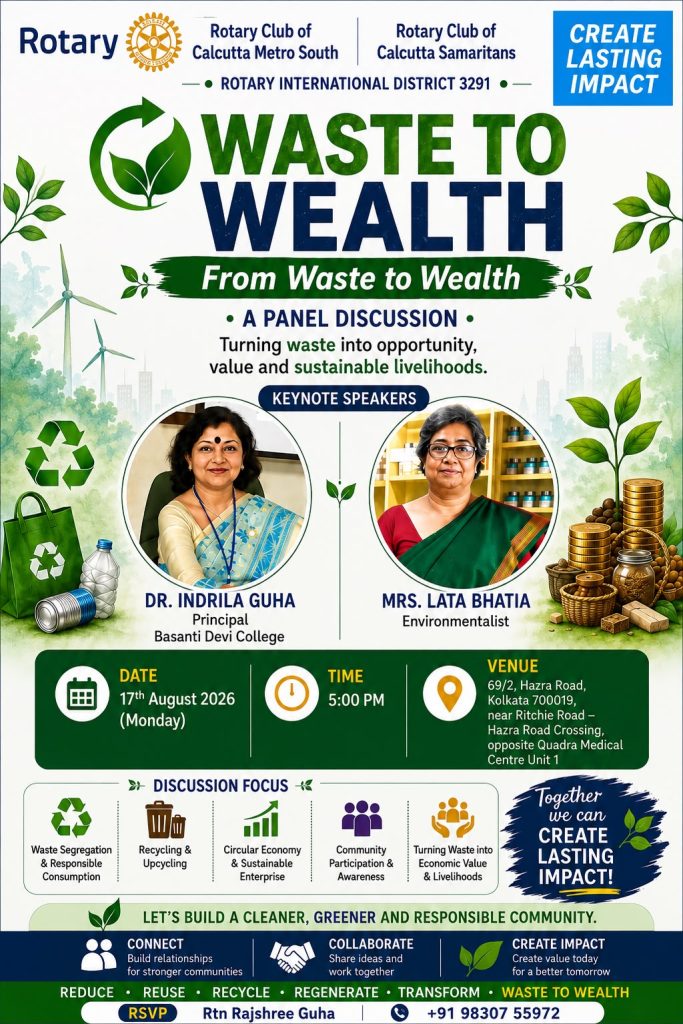
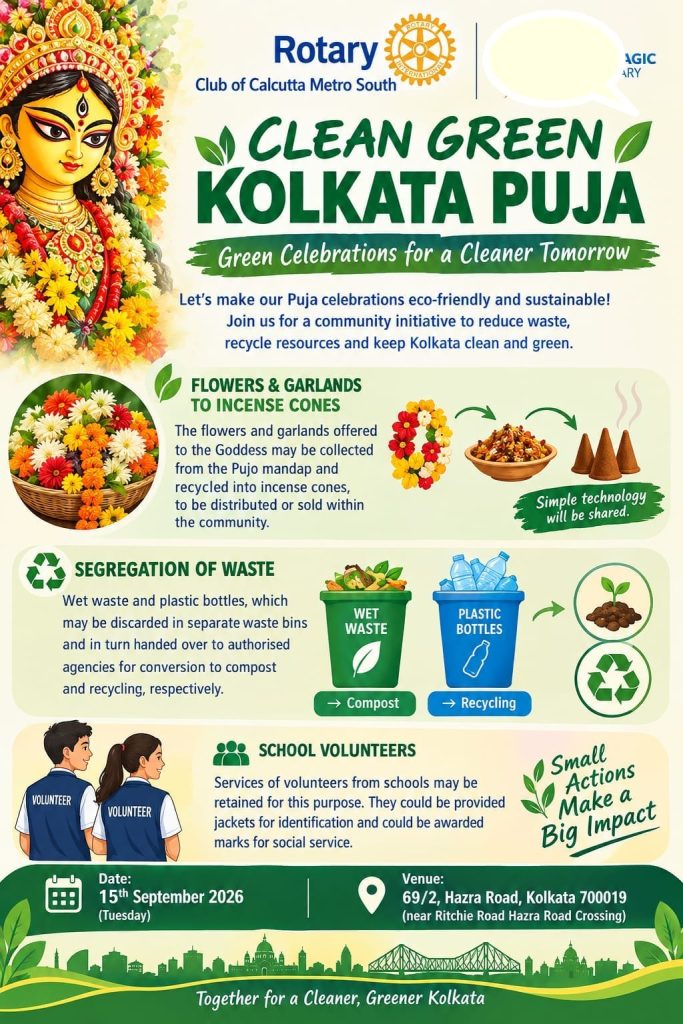
“Every Flower Offered with Devotion Deserves a Better Destiny”
Sudip Chakraborty: what inspired you to start this initiative?
Rajshree Guha: Durga Puja seemed to be the perfect occasion to begin. It is one of our most sacred celebrations, and at the same time it generates a tremendous amount of floral waste.
I have often wondered what happens to the flowers that people offer to the Goddess with immense devotion. After immersion ceremonies, these flowers are usually collected separately to prevent pollution of rivers, which is a positive step. However, most of them eventually find their way to landfills.
That thought always saddened me. Flowers that have been offered with prayers and faith should not end their journey amidst garbage.
I began thinking about ways to give these flowers a second life by converting them into incense cones, organic manure, handmade paper, candles, and other eco-friendly products.
These flowers have spiritual significance. They have absorbed days of devotion, prayers, and rituals. Instead of becoming waste, they can be transformed into products that continue to serve society.
From Sacred Offerings to Sustainable Products
Sudip Chakraborty : How do you plan to implement this idea?
Rajshree Guha: This year we have approached several major Durga Puja committees across Kolkata, including Maddox Square, Deshapriya Park, Shiv Mandir, and many others. We have also reached out to communities in Maheshtala, Sankharpur, and various residential complexes.
Our aim is to collect the flowers after the Puja and convert them into useful products according to the needs of participating organizations. Some may prefer organic manure, while others may choose incense cones or related products.
This process not only reduces environmental pollution but also helps lessen the burden on landfills.
More importantly, it creates economic opportunities for NGOs, self-help groups, and underprivileged communities who can participate in the recycling process and generate income.
The Larger Goal: A Zero-Waste Community
Sudip Chakraborty : So this initiative is larger than flower recycling alone?
Rajshree Guha : Absolutely. Flower recycling is only the beginning.
My ultimate dream is to help build a Zero-Waste Community. Durga Puja provides a unique opportunity because millions of people are out on the streets. It becomes an ideal platform for environmental awareness.
Along with flowers, we are encouraging people to segregate plastic bottles and food wrappers. Even if people begin by separating only a few categories of waste, it can make a huge difference.
When waste is segregated at the source, it reduces the energy and resources required for recycling. Plastic bottles mixed with wet waste become difficult and expensive to process. Segregation can significantly reduce carbon emissions and improve recycling efficiency.
A simple habit can create a powerful impact.
Sudip Chakraborty : Have you received support from government agencies?
Rajshree Guha : Yes, we have approached various government departments during the last few months. The response has been very encouraging.
Naturally, government bodies must follow established procedures and regulations. However, the officials we met were positive and supportive of our initiative. They appreciated the concept and encouraged us to move forward.
Sudip Chakraborty: And what has been the response from Puja committees?
Rajshree Guha : Very positive. Around thirty to forty committees have shown interest and willingness to participate.
The challenge lies not in acceptance but in logistics. Installing segregation systems is one thing, maintaining them throughout the festival is another.
For example, at Maddox Square we are using innovative, low-cost solutions to collect bottles and wrappers separately. We have volunteers and bloggers who will assist visitors in understanding the process.
Since this is our first year, we are focusing heavily on awareness. We believe participation will grow considerably in the coming years.
Engaging Citizens During the Festival
Sudip Chakraborty: How do you plan to motivate the public to participate?
Rajshree Guha : Public participation is absolutely essential.
We have volunteers and bloggers who will spend time at major Puja venues encouraging visitors to dispose of waste responsibly. We are also planning small rewards such as stickers, appreciation tokens, and recognition for those who participate.
Our goal is to make environmental responsibility simple, visible, and rewarding.
If citizens willingly join us, the impact can be far greater than any organized effort alone.
Inspiring the Next Generation
Sudip Chakraborty: Have students shown interest in this initiative?
Rajshree Guha: We have approached several schools, including La Martiniere and National High School, and we continue to reach out to others.
The biggest challenge is timing. During Durga Puja, students and teachers are naturally on holiday and many families travel. Transportation and crowd management also become concerns.
However, I strongly believe this initiative is for the younger generation. They will inherit the world we leave behind.
Even if only a handful of students participate, they can become ambassadors of environmental awareness. We plan to recognize student volunteers through certificates and appreciation gifts.
If ten students become environmentally conscious today, they can inspire hundreds more tomorrow.
“A Cleaner Environment Means a Healthier Future”
Sudip Chakraborty : Mr. Ganguly, what motivated you to support this movement?
Soumyendu Ganguly: The answer is simple. We all want a cleaner environment and a healthier society.
For generations, flowers used in religious ceremonies have been treated as waste once their purpose seemed complete. Rajshree recognized an opportunity to transform this waste into something meaningful.
I see tremendous potential in this initiative. By recycling flowers into products such as incense sticks, soaps, compost, and other eco-friendly materials, we can address environmental concerns while creating livelihoods.
This is a model that benefits both people and the planet.
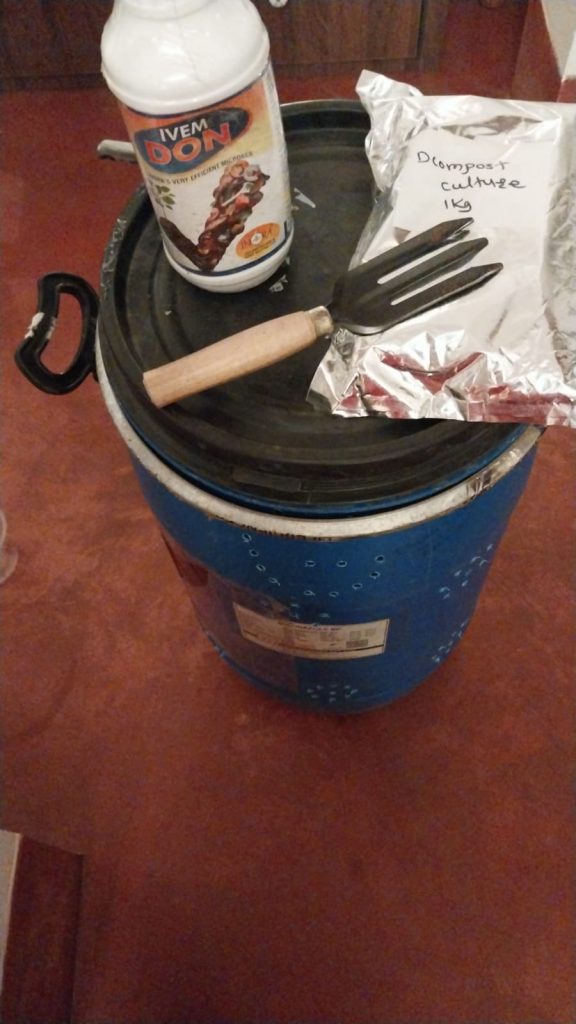
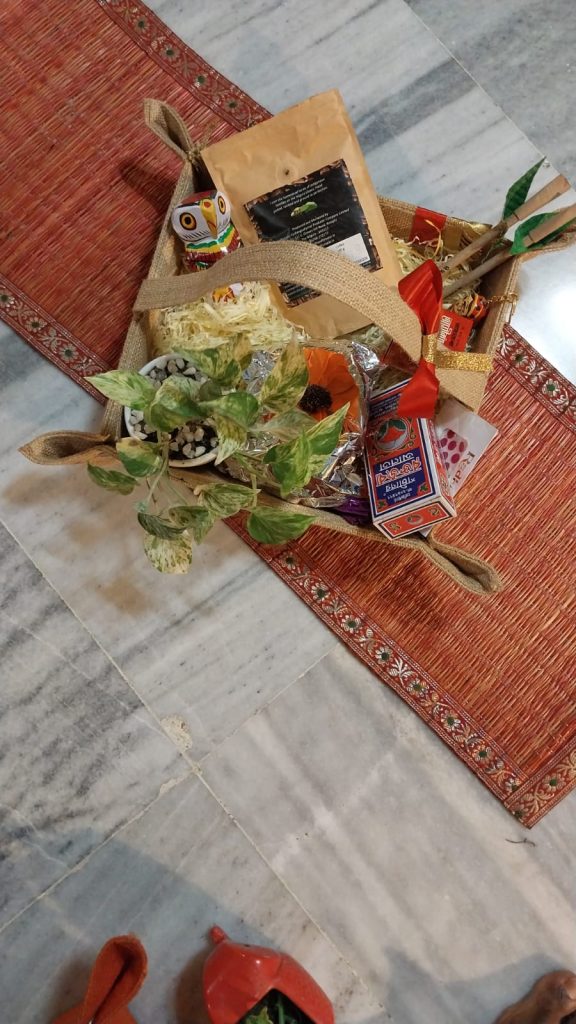
More Than a Project : An Awareness Movement
Sudip Chakraborty: Would it be fair to say that this is an awareness movement rather than just a recycling project?
Soumyendu Ganguly : Absolutely. Durga Puja is merely the starting point. Our real objective is to encourage citizens to rethink the way they deal with waste.
Every individual has a role to play. Environmental protection cannot be achieved by a few organizations alone. It requires participation from society as a whole.
If this movement encourages people to become more conscious about waste generation and segregation, then we will have achieved something truly meaningful.
Environmental Health and Plastic Pollution
Soumyendu Ganguly : Plastic pollution is not only an environmental issue. It is increasingly becoming a public health concern.
Our environment is heavily burdened by plastic waste, and scientists continue to raise concerns about the presence of microplastics in our ecosystem and even in the human body.
Reducing plastic consumption and promoting responsible waste management can contribute significantly to a healthier future.
Rajshree Guha: Exactly. Many people are still unaware of how deeply plastics affect human health and the environment. Awareness is the first step toward changing habits.
Creating Employment Through Recycling
Sudip Chakraborty: One important aspect of your project appears to be employment generation.
Rajshree Guha: Yes, that is a very important part of our vision.
My inspiration came partly from successful zero-waste community models that have been implemented elsewhere in India. I came into contact with Dr. Ruby Makhija, who has successfully worked on zero-waste communities for many years. That convinced me that such a model could also work in Kolkata.
If waste is properly segregated and collected, the recycling sector can create substantial employment opportunities. Through Rotary and other partners, we hope to explore grants and resources that can help build larger recycling infrastructure in the future.
The recycling industry is growing rapidly and can become a major source of sustainable livelihoods.
A Call to Citizens, Corporate and Institutions
Soumyendu Ganguly : We invite everyone to become part of this movement.
Environmental responsibility is not only a personal responsibility. It is also a social responsibility and a corporate responsibility.
The success of this initiative depends on collective participation.
If citizens, educational institutions, NGOs, corporations, and government agencies work together, we can create lasting change.
Rajshree Guha: With community support, government cooperation, and public awareness, we can build systems that reduce waste, generate employment, and protect our environment.
This is not just about one Puja. It is about creating a sustainable future.
A Message for Our Readers
Sudip Chakraborty: Thank you both for sharing your vision with our readers. The initiative you have undertaken demonstrates how devotion, environmental consciousness, and social responsibility can come together to create meaningful change.
Through flower recycling, waste segregation, livelihood generation, and public awareness, this movement has the potential to inspire communities far beyond Kolkata.
Lifeplus Magazine extends its best wishes to everyone involved in this remarkable effort and looks forward to seeing this vision grow into a truly transformative movement.
Lifeplus Magazine Editorial Note :
The initiative led by Rajshree Guha, supported by Soumyendu Ganguly, fellow Rotarians, volunteers, environmental advocates, NGOs, and concerned citizens, represents a powerful example of community-driven change. By giving sacred flowers a second life and encouraging responsible waste management, they are planting the seeds of a greener, cleaner, and more sustainable future.
Perhaps the journey toward a Zero-Waste Kolkata begins with a single flower, respectfully returned to nature instead of becoming waste.
If you are looking to promote your event, exhibition, workshop, competition, social initiative, or organization to a nationwide audience through Lifeplus Magazine and our social media platforms, feel free to explore our promotional opportunities.
Lifeplus also offers creative services including graphic design, audio and video editing, AI-generated videos and graphics, social media creatives, and content development for individuals, organizations, and businesses.
Interested in learning creative skills? We offer online and customized training programs in graphic design, video editing, and digital content creation, with flexible options for individuals and groups. View our online training programs
If you are a creative individual, artist, writer, photographer, educator, social worker, or someone working on a meaningful initiative and would like to be featured in Lifeplus Magazine, we would be happy to hear from you.
For queries, collaborations, promotional services, training programs, or feature opportunities, connect with us on WhatsApp: 9477764615.
Follow us for regular updates at Facebook, Instagram and LinkedIn