
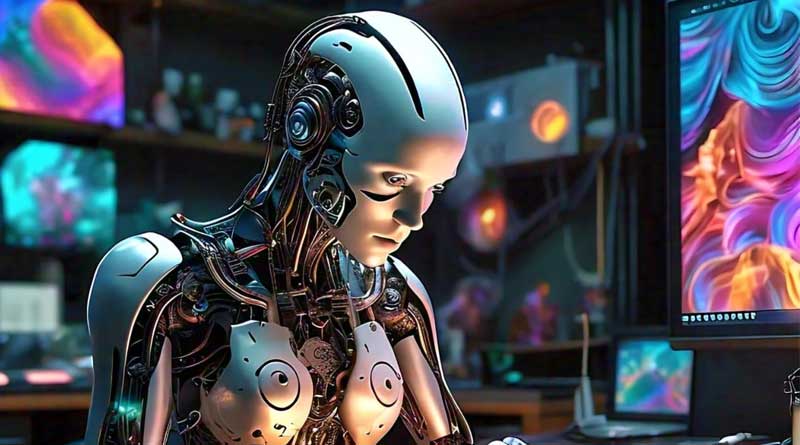
Generative AI in creativity
AI has become a transformative force in the creative world, revolutionizing how artists, designers, writers, and other creators work. Here’s an overview of its impact across various creative domains:
1. Art and Design
- Generative Art: AI tools like DALL·E and MidJourney create stunning visuals based on textual prompts, enabling artists to explore new styles.
- Assisted Design: Tools like Adobe’s Sensei offer automated suggestions for layouts, color palettes, and image editing, enhancing productivity.
- 3D Modeling: AI simplifies the creation of 3D assets for gaming, animation, and VR by generating textures or refining models.
2. Writing and Storytelling
- Content Creation: AI tools like ChatGPT assist writers in drafting stories, screenplays, or marketing content by generating ideas or full text.
- Language Enhancement: Grammar tools such as Grammarly or ProWritingAid improve writing quality.
- Interactive Narratives: AI powers immersive storytelling in video games by enabling dynamic storylines that adapt to players’ choices.
3. Music Composition
- AI Composers: Platforms like AIVA and Amper Music compose original music in various genres for films, games, and advertisements.
- Sound Enhancement: AI tools refine audio, enhance vocals, or create realistic soundscapes for creative projects.
4. Film and Animation
- Script Analysis: AI tools analyze scripts for market viability, pacing, and emotional impact.
- Special Effects: AI accelerates the creation of realistic VFX by automating processes like rotoscoping and rendering.
- Deepfake Technology: Though controversial, AI enables realistic face swaps and voice synthesis for creative storytelling.
5. Photography
- Image Editing: AI-powered tools like Luminar and Photoshop automatically enhance photos, correct flaws, and add effects.
- Photo Generation: AI can create lifelike photos or edit existing ones to fit creative needs.
6. Fashion
- Design Prototyping: AI generates patterns, suggests fabric combinations, and predicts trends for designers.
- Virtual Try-Ons: AI allows customers to visualize clothing on their avatars, blending creativity and practicality.
7. Gaming
- Character and World Design: AI creates detailed characters, landscapes, and narratives for games, saving time for designers.
- Adaptive Gameplay: AI adjusts game difficulty or storyline to create personalized gaming experiences.
8. Marketing and Branding
- Content Personalization: AI analyzes user data to tailor marketing visuals, copy, and videos to specific audiences.
- Logo and Graphic Design: Platforms like Canva use AI to assist non-designers in creating professional-looking graphics.
Advantages of AI in Creativity
- Efficiency: Automates repetitive tasks, leaving more time for innovation.
- Accessibility: Lowers the barrier to entry for non-professionals to create high-quality work.
- Innovation: Encourages experimentation with new styles and techniques.
Challenges and Considerations
- Authenticity: The role of AI raises questions about originality in creative work.
- Dependence: Over-reliance on AI might stifle human creativity in the long term.
- Ethics: Issues like copyright infringement or misuse of generated content need regulation.
AI is not just a tool for enhancing creativity but a partner in the creative process, expanding the boundaries of what’s possible in art, design, and storytelling.


