
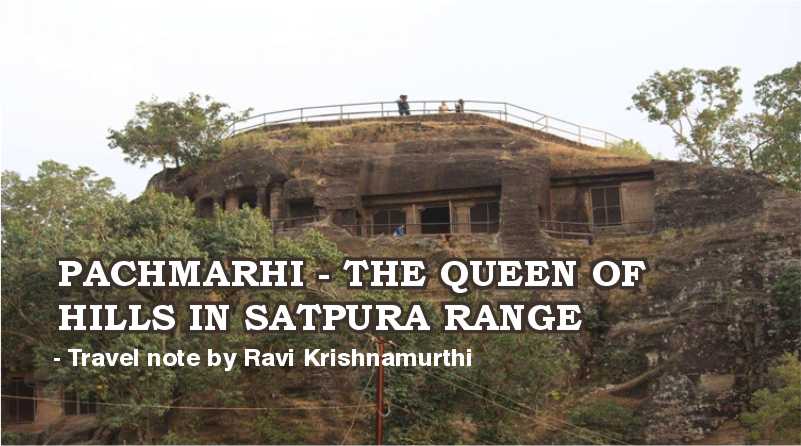
PACHMARHI – THE QUEEN OF HILLS IN SATPURA RANGE
Nestled in the Satpura Range of Madhya Pradesh, Pachmarhi is the state’s only hill station, fondly known as the “Queen of Satpura.” Easily accessible from Bhopal and Nagpur, this charming destination blends natural beauty, mythology, and colonial history.
Echoes of History and Mythology
Pachmarhi’s roots stretch back to the Mesolithic period, with cave shelters and rock paintings depicting scenes of hunting, warfare, and daily life. Mythology adds another layer: the name itself comes from Panch (five) and Marhi (caves), believed to be the hideout of the Pandavas during their exile. The Pandu Gufa, with its six caves, remains a popular attraction.
In modern history, Captain Forsyth of the British Army discovered Pachmarhi in 1860. It soon became a summer retreat and training center for the British, a legacy still visible in the cantonment area maintained by the Indian Army today.
The Journey to Pachmarhi
Travelers from Nagpur often stop at sacred sites along the way:
- Rukmini Vitthal Mandir, Dhapewada – the “Pandharpur of Nagpur.”
- Adaasa Chintamani Ganesh Temple – one of Vidarbha’s Ashta Vinayakas.
- Jamsavali Hanuman Temple – famed for its self-manifested idol and sacred water.
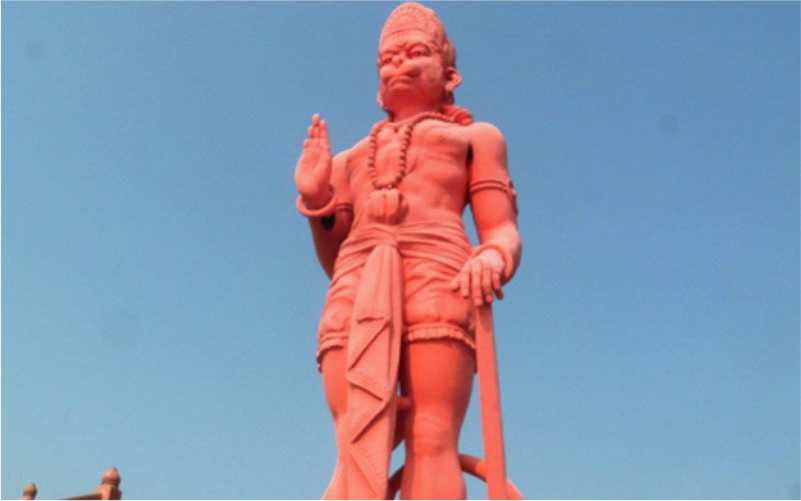
- Chhindwara – marked by a towering Hanuman statue, before the road winds into the lush Satpura hills.
The drive itself is part of the experience, with serpentine roads, coal-mining towns, and scenic valleys leading to Pachmarhi.
Staying in Pachmarhi
Visitors can choose between hotels in town or serene resorts within the cantonment area. The latter offers peace and proximity to nature. For sightseeing, sturdy four-wheel drives with local drivers are recommended, as they know the terrain and ensure a smoother journey.
Must-Visit Attractions
Pachmarhi is rich in natural wonders, spiritual sites, and colonial remnants. Highlights include:
- Bee Fall – A 100-ft cascade forming a natural pool, perfect for picnics.
- Panchdhara – Streams said to be the Pandavas’ bathing spot.
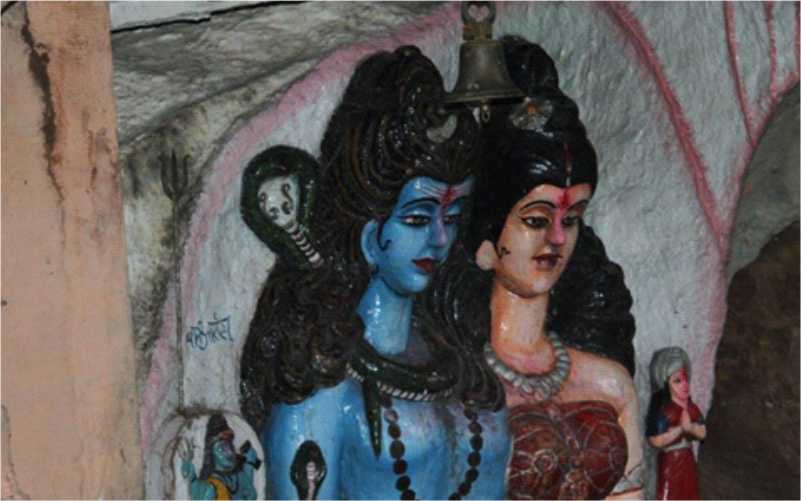
- Jata Shankar – A sacred cave shrine of Lord Shiva, steeped in legend.
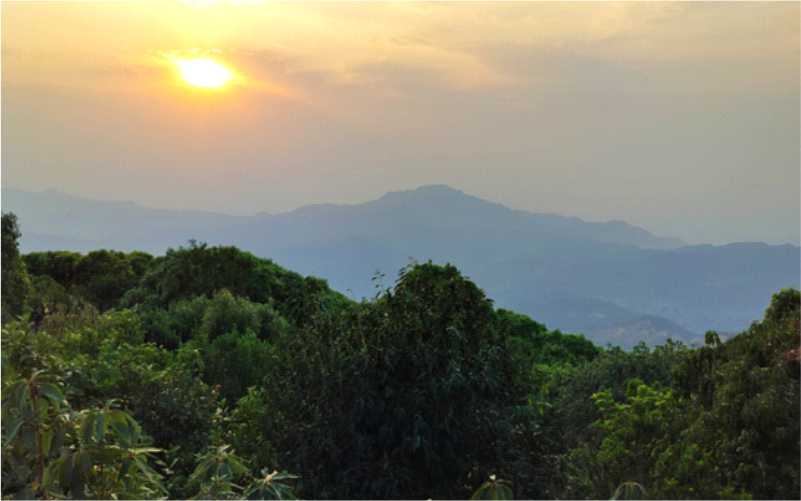
- Rajendra Giri – A botanical garden and sunset point.
- Reechgarh – Rocky ridges once home to bears, offering adventurous treks.
- Rajat Prapat (Silver Cascade) – A 350-ft waterfall shimmering like silver.
- Priyadarshini Point – Formerly Forsyth Point, with sweeping views of green valleys.
- Chauragarh Temples – Chota Mahadev, Gupt Mahadev, and Bada Mahadev, reached by climbing 1,250 steps.
- Handi Koh (Echo Point) – A dramatic ravine with mythological lore.
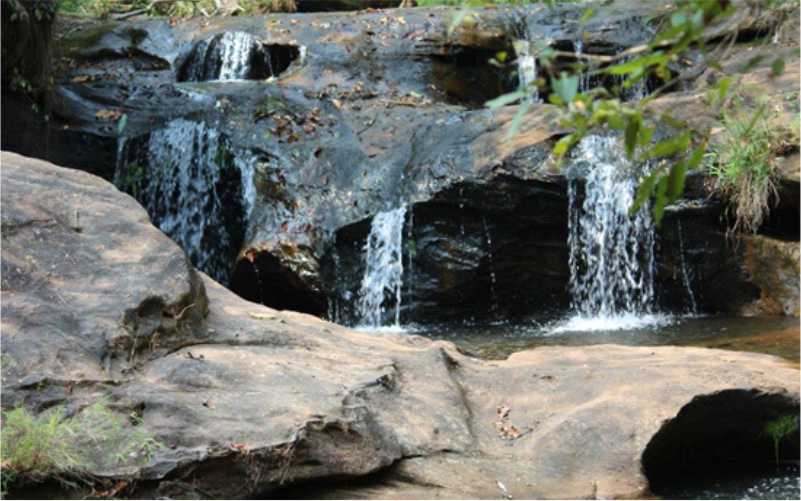
- Apsara Vihar – A charming waterfall amidst dense greenery.
- Pandav Gufa – The legendary caves of the Pandavas.
- Dhoopgarh – The highest peak, famed for sunsets and panoramic views.
- Catholic Church – A 150-year-old British-era church in tranquil surroundings.
- Rani Ki Haveli – A semi-ruined mansion with a mysterious aura.
- Satpura National Park – A wildlife haven with tigers, leopards, bison, sloth bears, and more.
Beyond the Obvious
For those with time, Pachmarhi offers Dutchess Falls, Pansy Pool, Bison Lodge Museum, boating at Pachmarhi Lake, paragliding, trekking, and shopping for herbal products, organic honey, and tribal handicrafts.
Best Time to Visit
September to March is ideal, with pleasant weather and clear skies enhancing the beauty of this hill station.







Author’s Introduction
Ravi Krishnamurthi, a valued member of the Lifeplus Magazine Photography Club, brings with him the wisdom of a long and accomplished corporate career in Nagpur. In retirement, he has embraced his creative side with equal passion, exploring photography, travel, and a wide spectrum of hobbies. His work reflects not only technical skill but also a seasoned perspective—an eye that captures stories shaped by experience, curiosity, and a deep love for nature and culture.
Lifeplus Magazine warmly invites readers to send us their own reviews of films, short films, theater, and performing arts. Selected reviews will be published with full name credit—your voice deserves to be heard!


