Malaysia in Passing: Travel Notes By Srijit Das
We left Kolkata in early December, on a short four-hour flight. The flight took a gentle turn over the Strait of Malacca, then over the low and green Malay Peninsula. We arrived in Kuala Lumpur at dawn. Malaysia, from the top, I think, feels metropolitan and jungle at the same time. After immigration, we were picked up and driven along the highway, surrounded by palm trees. Abundant palm trees. Slowly, the highway turned off, becoming a branch, and we entered the city of Putrajaya. The idea for Putrajaya began in the 1990s as a move to create a new federal administrative centre and a testbed for a modern, paperless government. Construction started in the mid-1990s, and the territory was formally declared a federal territory in 2001. What surprised me was how much green there is. The planners set aside a large share of land for parks and open space. Around a third of the city is for trees, and a wide artificial lake runs at the centre. The city feels like a garden with public buildings placed to face the water. The sense of careful control extends to population planning as well.
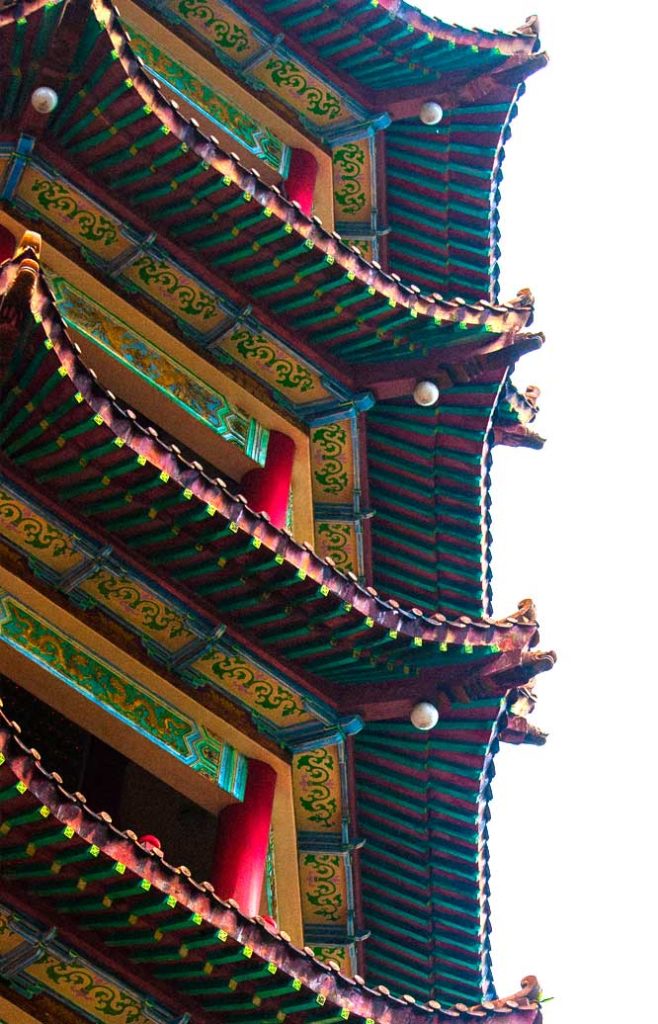
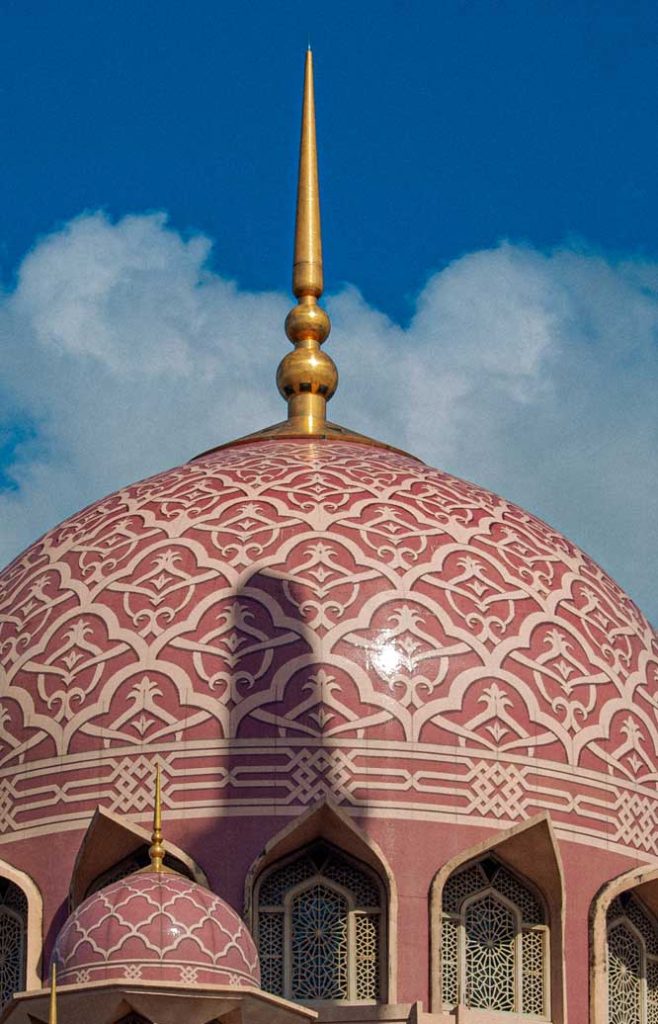
Many of the public buildings borrow elements from Middle Eastern and Central Asian Islamic architecture like domes, pointed arches, or patterned façades. The shapes are very polished. The pink-domed Putra Mosque, set beside the lake with its tall minaret and delicate tile work, is the city’s image that everyone recognises, while Perdana Putra, which is the prime minister’s complex, is right opposite. Palms and planted avenues soften the formal architecture. It is a young city. From there, we turned back towards Kuala Lumpur.
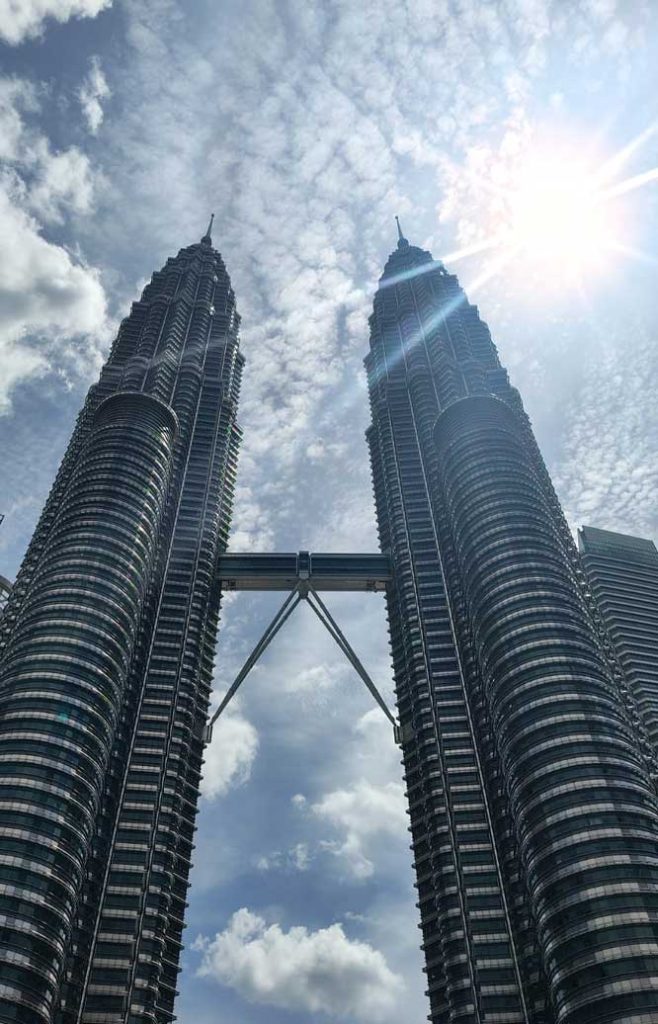
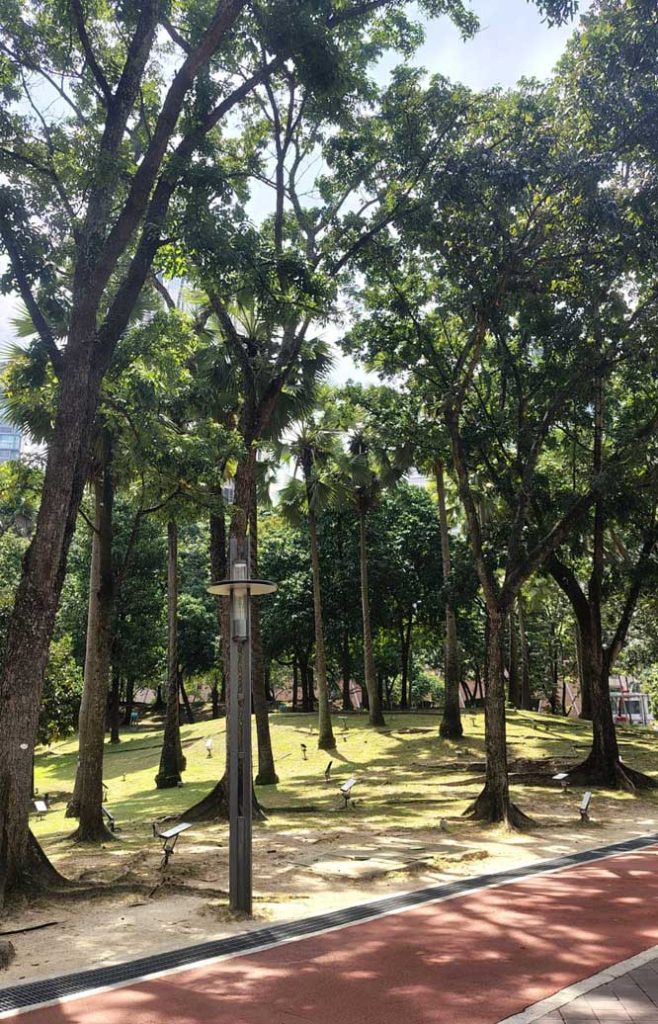
I forgot to mention our simple breakfast. There was kaya on toast. Kaya is a traditional coconut-egg jam spread. Along with it, lightly salted semi-boiled eggs to dip the toast into, and a strong cup of kopi. Putrajaya and Kuala Lumpur are close. The straight-line distance is only about twenty-four kilometres, and the driving route is generally around forty kilometres. From that stretch of road, the Petronas Twin Towers first appear like a pair of thin pencils stuck into the sky, a metallic pen. Kuala Lumpur’s air quality reads better than the readings one sees in several large Indian metros. That clarity made the skyline feel nearer and very clear, and also made walking the streets in the morning more pleasant. Kuala Lumpur covers a few hundred square kilometres and is home to about two million people; the city stretches in all directions so that its business or work towers, parks, and old kampung corners sit side by side. The delights are easy to catch: KLCC and the beautiful park that cushions the Petronas Towers; Merdeka Square and the colonial buildings from a different century; the wide green lungs of the Perdana Botanical Gardens, where deer and orchids sort of live together. The rail network makes moving easier and a little bit colourful. The monorail has short looped routes; the LRT and the newer MRT, however, go under and across districts. The city’s population mix is visible on every train and street: Malay, Chinese, Indian, and a raft of other communities. That mixture gives the city its constant, lively texture.
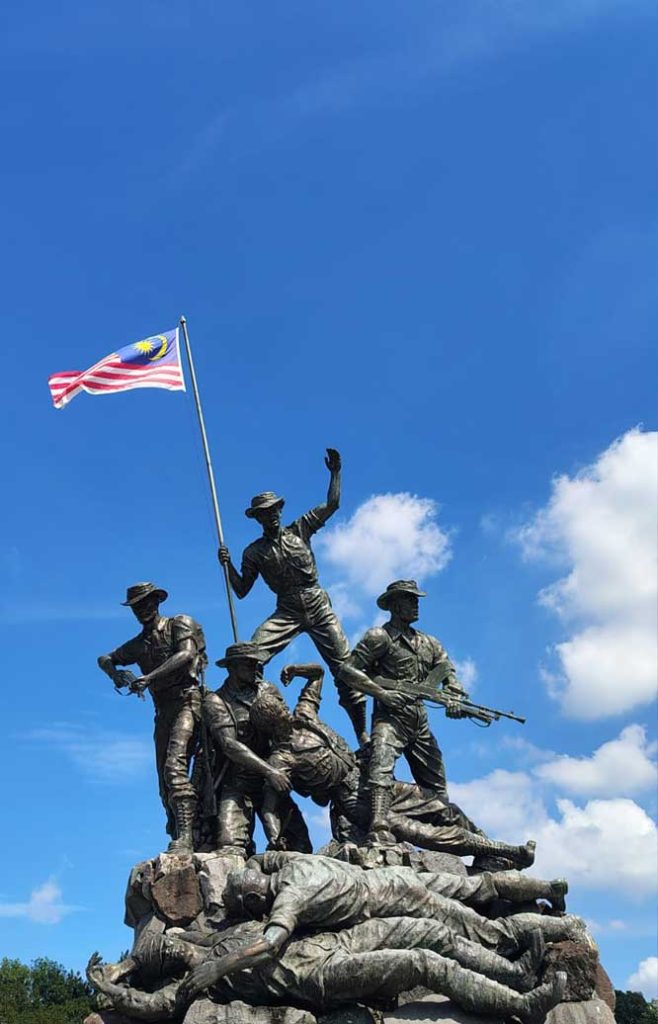
We climbed the Petronas Twin Towers that evening. First, the Skybridge that links the two towers on the 41st and 42nd floors. Then the elevator to the Observation Deck on level 86 for the long, wide view. The timed visit moves you through an orientation area and the bridge, then up to the deck. From that height, the city becomes a map of buildings and traffic veins. Sunset and the first lights are the best moments to be there. Practical notes that make the visit easy: book tickets in advance if you can; the tours are timed, and slots sell out. Plan about an hour if you want photos and to read the displays, but allow more time if you are visiting KLCC Park afterwards. The experience is part architecture, part skyline theatre, photogenic and straightforward for any traveller.
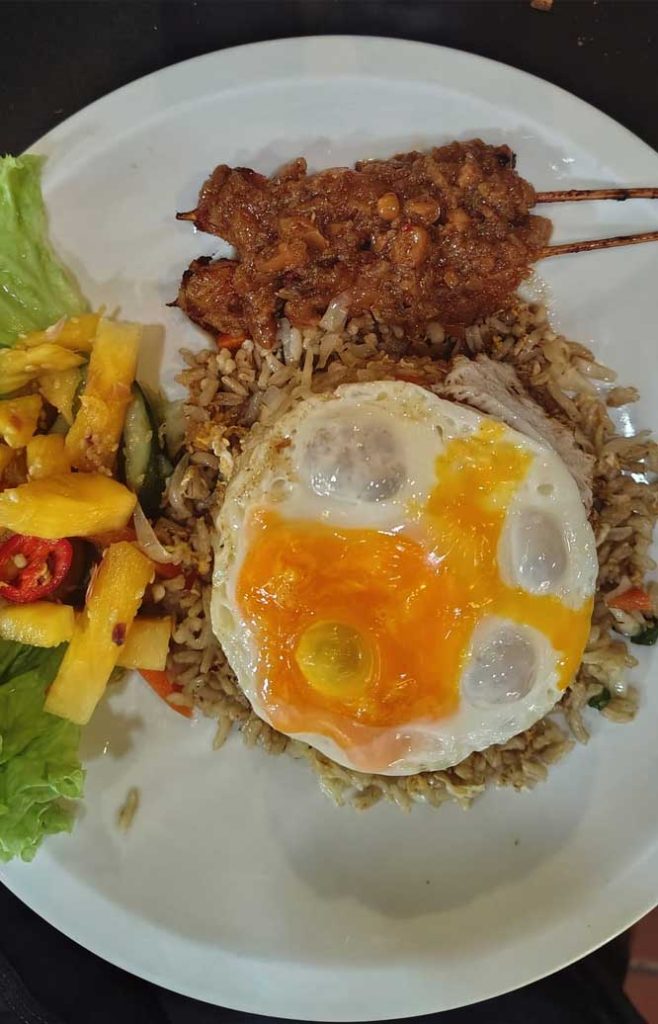
Food across the city is a constant. Plentiful Indian restaurants alongside a huge range of Chinese eateries (hawker-style to Cantonese and Szechuan) and Malay dishes such as nasi lemak. Durian, as usual, appears at all markets and many street corners. It is unmistakable, and many travellers try it as part of the country experience. Also, for quick rides or food delivery, Grab is the dominant superapp in Malaysia—convenient for airport pickups, short cab rides, and food orders. The local currency is the Malaysian ringgit (MYR). ATMs and card acceptance are common in malls and restaurants, but it helps to carry small notes for street stalls and markets. For public transport, you can use the Touch & Go card, or just buy a token at a counter.
We began another day at Batu Caves. The golden statue of Lord Murugan stands at the base. Behind it, the limestone face opens into a steep stair that climbs into the temple. A carnival of monkeys, scooters, and colourful offerings. Batu Caves is both a natural wonder and a living temple complex. By afternoon, we were headed up to Genting Highlands. The climb there is part of the experience. The modern Awana SkyWay (which was closed, so we took the Genting Skyway) gondola (cable car) carries you through mist and changing weather that feels almost alpine compared with the city below. The journey takes only about twenty minutes in the new gondolas. There are many places the cable car stops, rolling through forests and clusters of clouds. Up on the plateau, Genting opens with a cluster of amusement rides, malls, and overall a sort of place that feels like a theme park for grownups. There is the surreal sparkle of the casino. Indoor theme-park rides and the casino rooms themselves sit under the same roof as family restaurants and souvenir shops. It is incredibly brash. The whole plateau, with its weather that can turn from bright to foggy in minutes, makes the evening feel like a scene change in a long film. At Genting, we had street food like ikan goreng (fish). In the kopitiams and hawker lanes, we drank kopi—strong, sometimes pulled into a froth, often sweetened with condensed milk. A workman’s coffee. Another practical note: book or queue early for the Awana/Genting SkyWay gondola (the ride is brief but extremely popular).
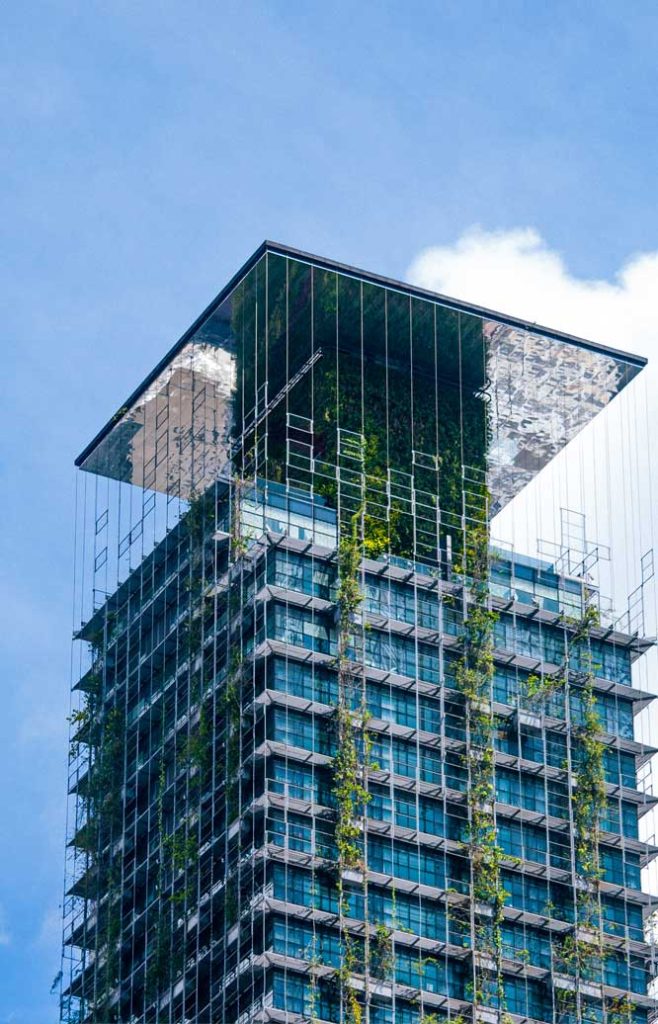
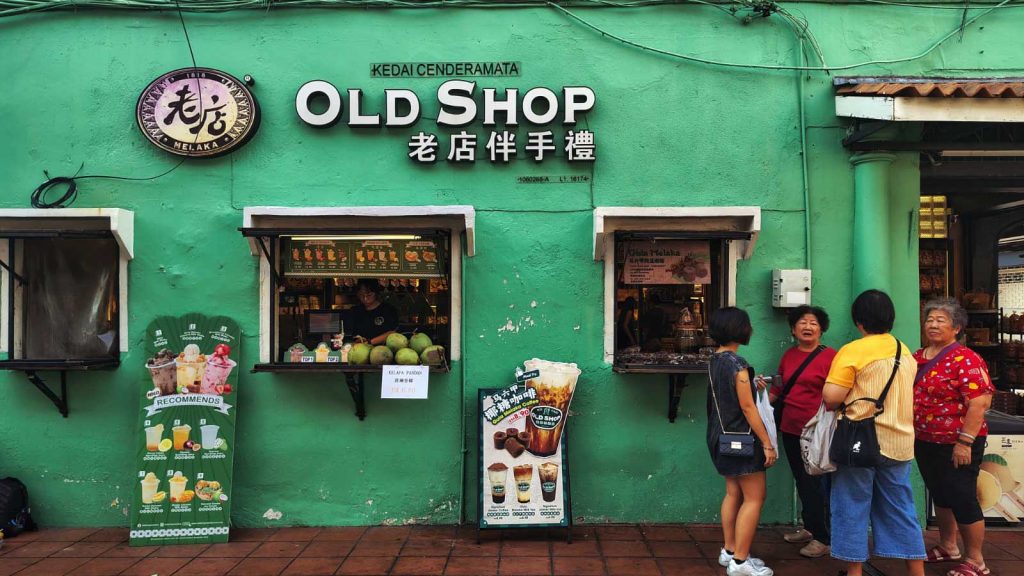
We went to Melaka on a day trip from Kuala Lumpur—a smooth highway drive south, roughly two hours. Melaka is a city of layers, with a lot of history. It was the famous port that the world once came to: Arabs, Chinese, Indians, and then the Europeans. Portuguese first, then Dutch, then the British. You feel that density the moment you walk into it. The Melaka River might be the most pleasant surprise here. The river cruise drifts past murals, old warehouses, cafes, four bridges, and colourful homes whose backs now face the water. The trishaw ride is “touristy” and completely worth it. The riders pedal through Jonker Street and the surrounding lanes. It is also a living tradition that the city has chosen to preserve rather than clean up. There are heritage houses that explain Peranakan life. There are maritime museums that narrate Melaka’s rise as a trading hub, housed in wooden ship-shaped structures. Walking uphill towards St. Paul’s Hill and the old fort, the city becomes mostly red. Christ Church Melaka and the surrounding Dutch Square are washed in a deep, brick red. Melaka is also the place where Nyonya cuisine is the richest. There is chicken rice rolled into fragrant balls, sour, spicy, and creamy laksa. The entire food street is incredibly walkable. Jonker Street is lined with stalls selling snacks, sweets, souvenirs, and antiques. If there is one place I would insist others include, it is Melaka. For a first-time visitor to Malaysia, it might be the clearest distillation of the country’s past and present.
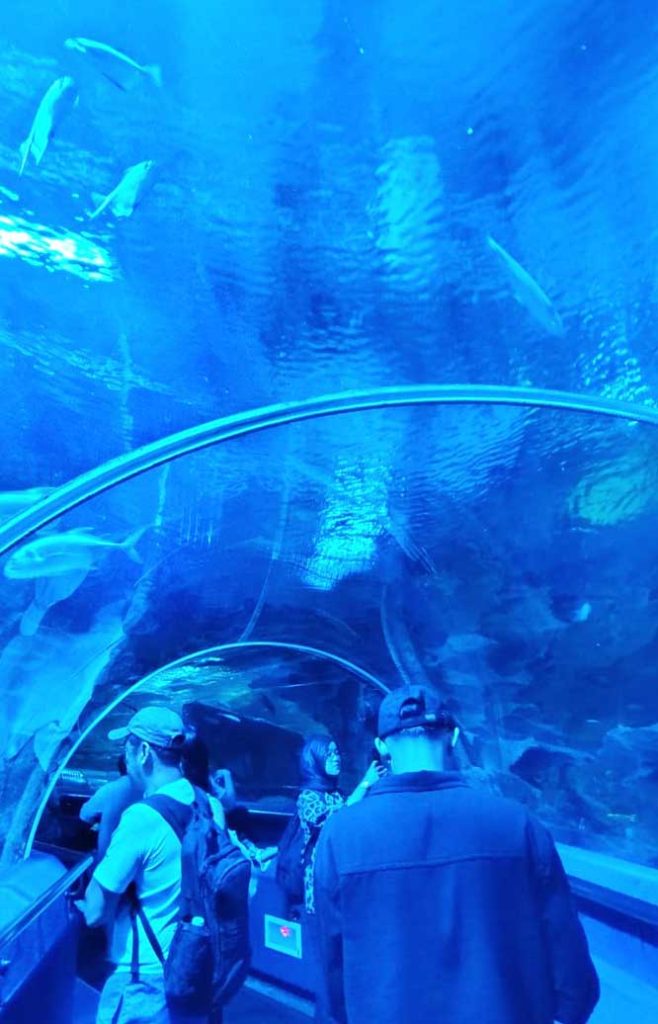
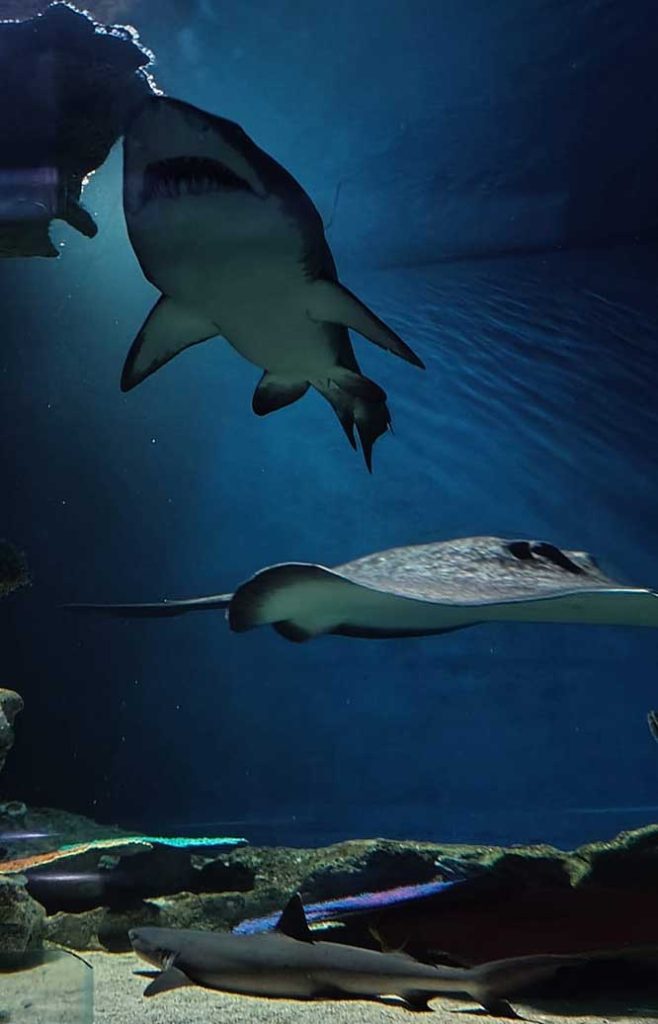
I would say try to spend a day moving through Kuala Lumpur’s neighbourhoods as well—the lanes where people live, eat, and work. Petaling Street is the heartbeat of Chinatown. The place is a concentrated mess with neon signs, paper lanterns, and the smell of frying oil and sweet/tangy sauces. A short walk away is Central Market, calmer. It shows another side of heritage. Housed in a 1930s Art Deco building, it has been rethought as a centre for crafts, batik, and small galleries. The adjacent walk becomes a lively open corridor of snacks, and together they make for a good half-day. Apart from all this, Bukit Bintang is the shiny shopping and nightlife strip. Char kway teow, satay, clay-pot rice, and the famous grilled seafood stalls are all found here. At dusk, the street fills with locals and visitors. It becomes so dynamic. As said earlier, for moving between these pockets, the monorail and short LRTs are extremely useful. The KLCC Aquaria is also a must-visit, in my opinion. A long, curved underwater tunnel, sharks and rays gliding above, coral-like structures crowded with tropical fish. The tunnel makes you feel as if you are walking through a waterway, and the creatures are moving around you. There are feeding sessions and touch pools for smaller species, and the whole layout rewards a slow walk. It is immersive in the way good museums are immersive.
We had one last meal in the city after that. Then we folded our bags and went to the airport. Before we left, we bought postcards, glossy rectangles that already felt too small for what we had seen. Simple images. They have been living for a while in an envelope. The place/trip had been compact and generous, familiar in its plurality and warm in its welcome. Malaysia asks you to move slowly enough to notice how many worlds can sit, warmly, next to one another.
About the Author
Srijit Das is a graduate in Economics from Jadavpur University. A storyteller at heart, Srijit is drawn to narratives in every form — in films and photographs, in city streets and fleeting conversations. His love for stories is deeply bound to his life in Kolkata, a city of layered histories, weighted memories, complex flavours, and wayward roads. A keen observer and collector of moments, Srijit channels this fascination through photography and an ever-growing engagement with the craft and history of visual storytelling. For him, every frame, word, and gesture holds the possibility of a story waiting to be discovered.